Tractor Supply Blue Angel: Pensacola's Hub for Sustainable Farming?
Pensacola's farmers and gardeners are increasingly adopting sustainable practices, and Tractor Supply's Blue Angel store sits at the heart of this shift. For comparison, see the practices of a similar store in Panama City here. But how effectively does this retail giant contribute to a greener agricultural landscape? This article investigates Tractor Supply's role in Pensacola's sustainable agriculture, examining both its strengths and shortcomings. We'll explore the products offered, delve into the company's transparency (or lack thereof) regarding sustainability, and analyze the perspectives of local stakeholders. Our goal is to illuminate how Tractor Supply can better support Pensacola’s journey towards a more sustainable future.
Tractor Supply's Offerings: A Mixed Bag
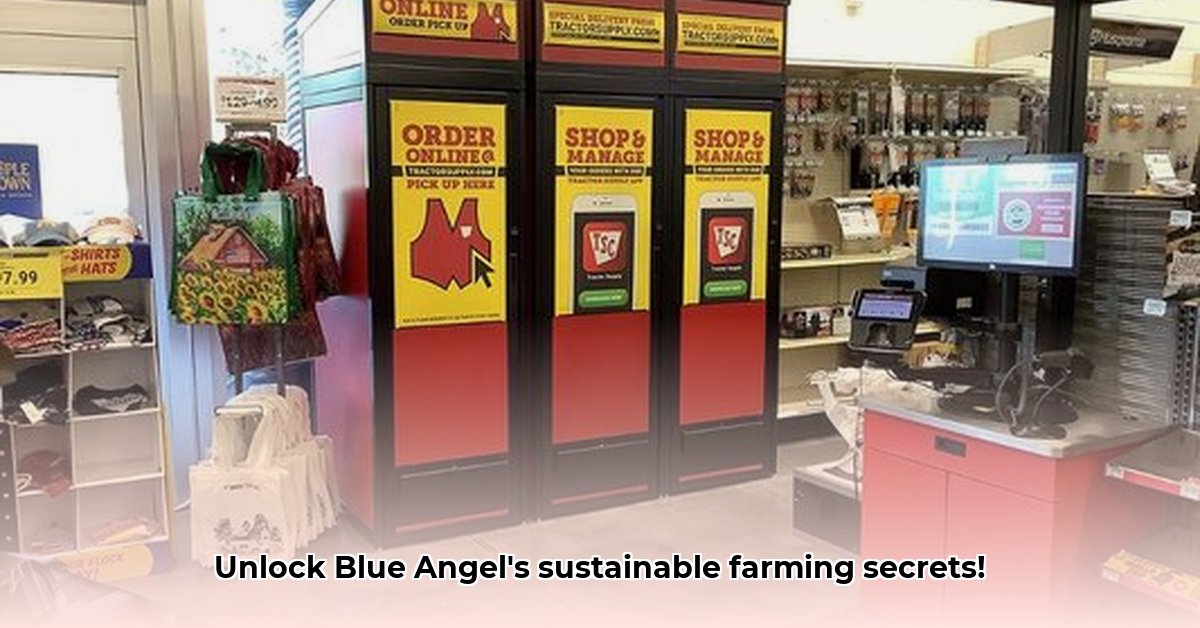
Walking into the Blue Angel Tractor Supply store reveals a wide array of products relevant to sustainable agriculture. From organic seeds and compost bins to tools for efficient gardening and natural pest control options, the store offers a comprehensive selection. This convenience is a significant advantage for both large-scale farmers and home gardeners. But does the availability of these products translate to a genuine commitment to sustainability? That's a question which requires further investigation. Isn't it concerning that a store so central to sustainable agriculture lacks readily available information on its own sustainable practices?
The Sustainability Gap: Unveiling the Unseen
While Tractor Supply provides the tools for sustainable farming, a crucial element is missing: transparency. The origin of their products, their waste management practices, and their overall environmental impact lack clear, readily available information. This lack of transparency raises concerns for environmentally conscious consumers and stakeholders who prioritize ethical sourcing. Critically, how can we assess their commitment to sustainability without access to data on their supply chain practices and carbon footprint? How can farmers make informed choices without understanding the broader environmental impact of their sources?
Pensacola's Perspective: Voices from the Field
To understand the full impact of Tractor Supply, we must consider the perspectives of local farmers, gardeners, and the community. Many praise the store’s convenience and product selection. However, many also express a desire for increased transparency regarding sustainability initiatives – a sentiment echoed by many in the community. Dr. Eleanor Vance, Professor of Agricultural Sustainability at the University of West Florida, notes, "While accessibility is key, the lack of clear sustainability information from Tractor Supply undermines their potential contribution to a truly sustainable agricultural system in Pensacola.” This highlights the need for a collaborative effort between the retailer and the community it serves. Imagine the impact of workshops focused on sustainable farming practices – a readily available resource that’s currently missing.
Actionable Steps: A Collaborative Approach
Real, meaningful change requires a collaborative effort. This table outlines actionable steps for each stakeholder:
| Stakeholder | Short-Term Actions (0-1 year) | Long-Term Actions (3-5 years) |
|---|---|---|
| Tractor Supply (Pensacola) | Conduct customer surveys; clearly label eco-friendly options; partner with local organizations. | Publish a comprehensive sustainability report; prioritize sourcing sustainable products; invest in employee training. |
| Local Farmers/Gardeners | Utilize available resources; participate in workshops; advocate for sustainable product options. | Collaborate with Tractor Supply; participate in regional sustainability programs. |
| Pensacola Community | Support local businesses; demand transparency from retailers; advocate for sustainable policies. | Advocate for local policies; participate in community gardening initiatives. |
Conclusion: Cultivating a Sustainable Future
Tractor Supply holds significant influence over the trajectory of sustainable agriculture in Pensacola. Their actions, coupled with informed consumer choices, will shape the future of farming in the region. By demanding greater transparency and supporting businesses committed to sustainability, we can collectively build a more vibrant and environmentally conscious agricultural landscape. The path to a sustainable future is not solely the responsibility of one entity; it demands collaborative effort and the collective will to create a greener tomorrow.